Creating a relaxing home workspace is essential for anyone working remotely or spending long hours at home on projects. A thoughtfully designed workspace can improve your focus, reduce stress, and make your workday more enjoyable. In this post, we’ll explore practical tips to help you create a comfortable and productive home office environment.
Why a Relaxing Workspace Matters
Your environment plays a significant role in your productivity. A cluttered, uncomfortable workspace can distract you and hinder your work performance. On the other hand, a calming and organized space encourages concentration and creativity. When your workspace feels inviting and relaxing, you’re more likely to maintain good habits and stay motivated throughout the day.
Choosing the Right Location
Find a Quiet Spot
Select a location in your home that minimizes noise and distractions. If possible, pick a room with a door to separate your work area from the rest of the household activities.
Consider Natural Light
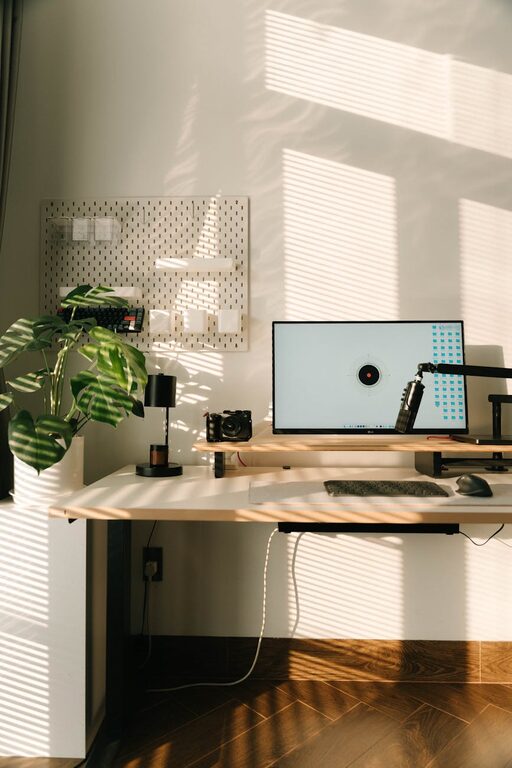
Natural light not only brightens up your workspace but also boosts your mood and energy. Set up your desk near a window to take advantage of daylight. If natural light is limited, invest in good-quality, adjustable desk lighting that mimics daylight.
Ergonomics for Comfort and Health
Invest in a Comfortable Chair
A supportive chair is key to preventing back and neck pain. Look for one with adjustable height, lumbar support, and cushioned seating.
Set Your Desk at the Right Height
Your desk should allow your elbows to rest comfortably at a 90-degree angle when typing. This helps prevent strain in your shoulders and wrists.
Position Your Monitor Properly
Place your computer screen at eye level about an arm’s length away. This positioning reduces eye strain and helps maintain good posture.
Organize Your Space
Declutter Regularly
Keep your workspace tidy by organizing your papers, gadgets, and office supplies. Use shelves, drawers, or storage boxes to keep things out of sight but within reach.
Use Functional Accessories
Consider adding organizers like pen holders, file trays, or cable management clips. These small tools help keep your desk neat and reduce distractions.
Add Elements That Promote Relaxation
Choose Calming Colors
Soft colors like blues, greens, or neutrals can create a soothing atmosphere. Avoid overly bright or aggressive colors that may cause discomfort or distraction.
Incorporate Nature
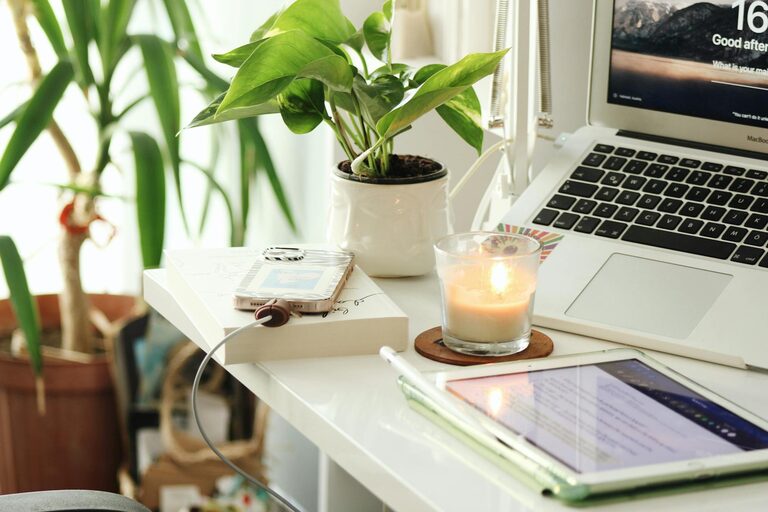
Indoor plants not only purify the air but also add a touch of nature, which can reduce stress and increase feelings of well-being.
Personalize Thoughtfully
Add a few personal items such as photos, artwork, or a small decorative item that inspires you, but avoid overcrowding your space.
Manage Noise and Distractions
Use Noise-Canceling Headphones
If external noise is unavoidable, noise-canceling headphones can help maintain focus.
Play Background Music or White Noise
For some, gentle background sounds like instrumental music or white noise can enhance concentration and mask distracting sounds.
Maintain a Comfortable Temperature and Air Quality
A room that is too hot or cold can distract you and decrease productivity. Ensure your workspace is well-ventilated and maintain a comfortable temperature. A small desk fan, heater, or air purifier can help improve your environment.
Keep Hydrated and Take Breaks
Keep Water Nearby
Staying hydrated is important for your focus and energy levels. Keep a water bottle at your desk as a reminder to drink regularly.
Schedule Breaks
Take short breaks every hour to stretch, rest your eyes, and move around. This practice can reduce fatigue and improve overall comfort.
Use Technology to Your Advantage
Ergonomic Accessories
Consider an ergonomic keyboard and mouse to reduce strain during long work hours.
Apps for Focus
Use productivity apps or timers to help you stay on task and manage your work schedule effectively.
Final Thoughts
Creating a relaxing home workspace doesn’t require a large budget or space. By incorporating these tips, you can design an environment that supports your comfort, reduces stress, and boosts your productivity. Remember, the goal is to create a space where you feel calm, focused, and motivated to do your best work every day. Start small, make adjustments as needed, and enjoy the benefits of a thoughtfully crafted home office.
About the Author