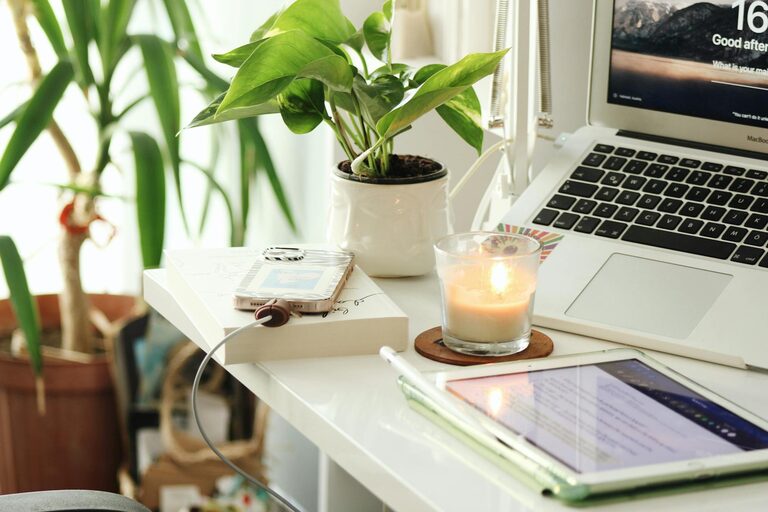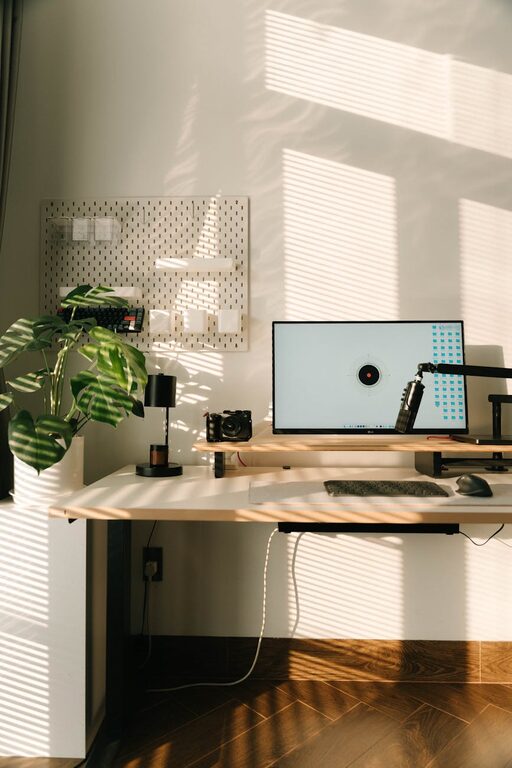
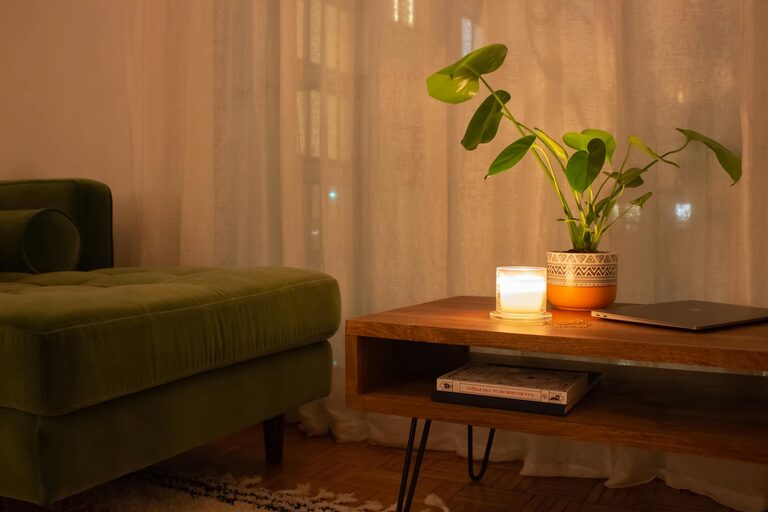
Creating a cozy and inviting living space is something everyone desires, regardless of the size or style of their home. A warm, comfortable living room encourages relaxation, socializing, and a sense of well-being. Whether you live in a small apartment or a spacious house, you can design a space that feels welcoming and snug. Here are practical tips to help you transform your living area into a cozy retreat.
1. Choose Warm and Soothing Colors
The color palette plays a crucial role in setting the mood of a room. Warm, neutral tones such as soft beiges, warm grays, gentle creams, and muted earth tones can make a space feel inviting. These colors reflect natural light softly and create a calm atmosphere.
– Consider shades like warm taupe, soft peach, or rich terracotta.
– Avoid overly bright or harsh colors that may feel cold or too stimulating.
– Use accent colors through pillows, throws, or artwork to add character without overwhelming the room.
2. Layer Your Lighting
Lighting can greatly enhance the coziness of your living space. Harsh overhead lights can feel unwelcoming, so layering different light sources is key to achieving warmth.
– Use a combination of floor lamps, table lamps, and wall sconces.
– Opt for warm-toned bulbs (2700K–3000K) to cast a softer glow.
– Consider candles or string lights for a gentle flicker and added ambiance.
– Place lights near seating areas to create intimate nooks for reading or relaxing.
3. Invest in Comfortable Seating
Comfort is at the heart of a cozy living room. Choose seating that invites you to sit back and unwind.
– Sofas and chairs with plush cushions and soft fabrics, like velvet or chenille, enhance comfort.
– Add plenty of throw pillows in different sizes and textures.
– A cozy throw blanket draped over an armchair or sofa encourages relaxation.
– If your space allows, include a small ottoman or pouf to put your feet up.
4. Add Soft Textiles and Rugs
Textiles bring warmth and tactile comfort to any room.
– Use soft area rugs to define spaces and add warmth underfoot.
– Layer different rugs for texture and visual interest.
– Consider curtains made of lightweight linen or heavier drapes, depending on your climate, to soften windows.
– Mix and match cushions, throws, and blankets in various materials like wool, cotton, or faux fur.
5. Incorporate Natural Elements
Bringing elements from nature into your living space adds life and serenity.
– Houseplants improve air quality and add vibrant green color.
– Use wood furniture or accents to add warmth and texture.
– Natural materials like stone, rattan, and wicker give a tactile and organic feel.
– A bowl of fresh flowers or a small indoor herb garden can enliven the room.
6. Personalize Your Space
A home feels inviting when it reflects your personality and interests.
– Display photographs, artwork, or souvenirs that tell your story.
– Organize books, magazines, or collections on shelves or coffee tables.
– Choose decorative items that resonate with you rather than trending decor alone.
– Create dedicated spaces for hobbies or relaxation, such as a reading nook or music corner.
7. Keep Clutter to a Minimum
A tidy space feels more open and relaxing.
– Use baskets, boxes, or storage furniture to organize items neatly.
– Avoid overfilling shelves or surfaces.
– Regularly declutter to maintain a calm environment.
– Hidden storage solutions, like ottomans with compartments, keep essentials close but out of sight.
8. Use Scents to Enhance Atmosphere
A subtle, pleasant scent can make a great impression and add to the cozy ambiance.
– Use essential oil diffusers with calming scents like lavender, vanilla, or cedarwood.
– Light scented candles safely to add warmth and fragrance.
– Fresh flowers or natural potpourri can also contribute a nice scent.
9. Create Inviting Layouts
How your furniture is arranged influences the feel of your space.
– Position seating to encourage conversation—facing each other or angled comfortably.
– Avoid placing large furniture in front of windows or walkways.
– Create zones within larger rooms, such as separate areas for reading, watching TV, or socializing.
– Keep pathways clear to make the room feel open and welcoming.
10. Embrace Soft Sounds
Sound affects comfort and mood in subtle ways.
– Soft background music or nature sounds can add a pleasant auditory layer.
– Consider adding a small tabletop fountain or ambient sound machine for tranquil noise.
– Use heavy curtains and soft furnishings to absorb harsh noises, creating a quieter space.
—
By combining thoughtful colors, comfortable furnishings, layered lighting, and personal touches, anyone can create a living space that feels cozy and inviting. Remember that the goal is to design a room where you enjoy spending time and where guests feel welcome. Start small, perhaps with a new throw pillow or a fresh bouquet, and build your cozy haven gradually. Your living space can truly be a warm retreat that soothes the soul and welcomes everyone inside.
About the Author